See what's missing.
Develop what's possible.
Melissa helps individuals, practitioners, authors, and organizations see overlooked strengths, connections, hidden value, and valuable possibilities—and develop them into clear direction, workable systems, published bodies of work, and aligned momentum.


Every person and team holds unmapped capacity.
Most individuals, authors, and teams don't lack capability or commitment. They lack the perspective to recognize the latent strengths they already hold—and the configuration required to bring them into tangible form.
Experience.
Historical depth, institutional memory, and seasoned instincts under organizational pressure.
Latent Capacity.
Strengths and capacities present in people and teams that have gone unseen, unused, or misconfigured.
Judgment.
The capacity to weigh trade-offs and make high-stakes calls in profound ambiguity.
Perspective.
Non-consensus viewpoints that illuminate blind spots and reveal what standardized thinking misses.
Relational Flow.
The spaces between roles and departments where overlooked friction stalls progress—or collaboration creates it.
Strategic Instinct.
The early detection of market and organizational opportunities before formal consensus forms.
Grounded Execution.
Converting strategic clarity into language, processes, documentation, and working systems that sustain momentum.
The problem isn't that people are different.
It's that those differences aren't always understood, connected, or put to work.
Four distinct doorways into the work.
No generic formulas or pre-packaged molds. Choose the doorway that reflects where you, your craft, or your organization are right now.
Personal Development
For individuals, leaders, and creators at a personal crossroads—where the way you have been living, working, or carrying responsibility no longer matches who you are. As you become clearer about your own needs, values, and capacities, that clarity can also reshape your professional direction. Personal integration often brings greater alignment to the work you create and the contributions you choose to make.
What You Are Experiencing
- •Navigating a pivotal life transition, career dissolution, or internal realignment where the current approach will no longer build what comes next.
- •Recovering from chronic over-functioning, somatic fatigue, or systemic burnout where conventional hustle stopped working.
- •Re-examining your identity, choices, and boundaries outside external expectations, unhurried and without judgment.
- •Desiring a grounded, confidential partner to help you metabolize change without pushing you into pre-packaged self-help formulas.
How We Work Together
- •Confidential, one-on-one developmental partnering to examine what is actually present and what is ready to shift.
- •Honoring the lived experiences, strengths, and survival strategies that shaped your current configuration.
- •Somatic awareness: tuning into physical tension, energy, and ease as vital diagnostic intelligence rather than obstacles.
- •Re-architecting daily practices, routines, and activities, personal boundaries, and commitments to support sustainable capacity.
Proven In Practice
During an author-development session, a change in engagement and body response prompted us to pause writing and dance. Movement offered another way to participate, and writing resumed when she was ready.
Not psychotherapy, psychological counseling, or psychiatric treatment. Instead, this work offers attentive witnessing, meaningful reflection, and invitations to consider new perspectives and possibilities.
Personal Development
For individuals, leaders, and creators at a personal crossroads—where the way you have been living, working, or carrying responsibility no longer matches who you are. As you become clearer about your own needs, values, and capacities, that clarity can also reshape your professional direction. Personal integration often brings greater alignment to the work you create and the contributions you choose to make.
Professional Development
For founders, senior executives, authors, and professionals navigating critical inflection points in their leadership, authority, or creative legacy.
Practitioner Development
For coaches, consultants, and facilitators who want to see more clearly, support their clients effectively, and sustain their own practice.
Organizational Development
For CEOs, executive leadership councils, and cross-functional teams navigating strategic transitions, growth inflection points, or inter-departmental friction.
Alignment ≠ Sameness
“The strongest teams aren't necessarily the ones where everyone thinks alike. They're the ones where people understand what they bring, what others bring, and how those differences need to work together.”
How Opportunity Development Happens
Often, what we need is already present, but we cannot yet see how it could work together. A developmental partner helps make those pieces visible and explore what a different configuration could make possible.
SEE
“Make what is present—and what may be unseen—visible.”
CONNECT
“Explore relationships among the pieces and what a different arrangement makes possible.”
EXPRESS
“Give what you discover form through choices, communication, creation, and action.”
Moments When Individuals, Authors, and Leaders Reach Out
A leadership team has outgrown its current way of working.
What brought the team to this stage is no longer sufficient for where the organization needs to go.
An author or creator is bringing a body of work into form.
Translating lived insight and expertise into a published book, conceptual architecture, or lasting body of work.
A practitioner or space-holder navigating complex human dynamics.
Holding space for others without depleting personal capacity or relying on rigid off-the-shelf formulas.
A strategy requires people to collaborate and decide differently.
The direction is clear, but execution requires shifting how people relate, decide, and work together without forced conformity.
An individual navigating a pivotal life transition or crossroads.
Where familiar ways of living, working, or carrying responsibility no longer match who you are becoming.
When you’re ready to walk your talk.
You understand something deeply, but want your choices, relationships, and work to reflect what you know to be true.

Every session strips away standard formulas and focuses directly on what is present, making the differences useful across individuals, teams, and creative projects.
Melissa partners with individuals, authors, practitioners, and leaders at these moments.
Through developmental partnerships, author mentoring, practitioner retreats, alignment work, and strategic advisory.
Mosaic Development
A proprietary approach built on a simple belief:
“Wholeness doesn't require sameness.”
Same pieces. In motion. New configuration. More possibility.
Often, what we need is already present, but we cannot yet see how it could work together. A developmental partner helps make those pieces visible and explore what a different configuration could make possible.
SEE
Make what is present—and what may be unseen—visible.
CONNECT
Explore relationships among the pieces and what a different arrangement makes possible.
EXPRESS
Give what you discover form through choices, communication, creation, and action.

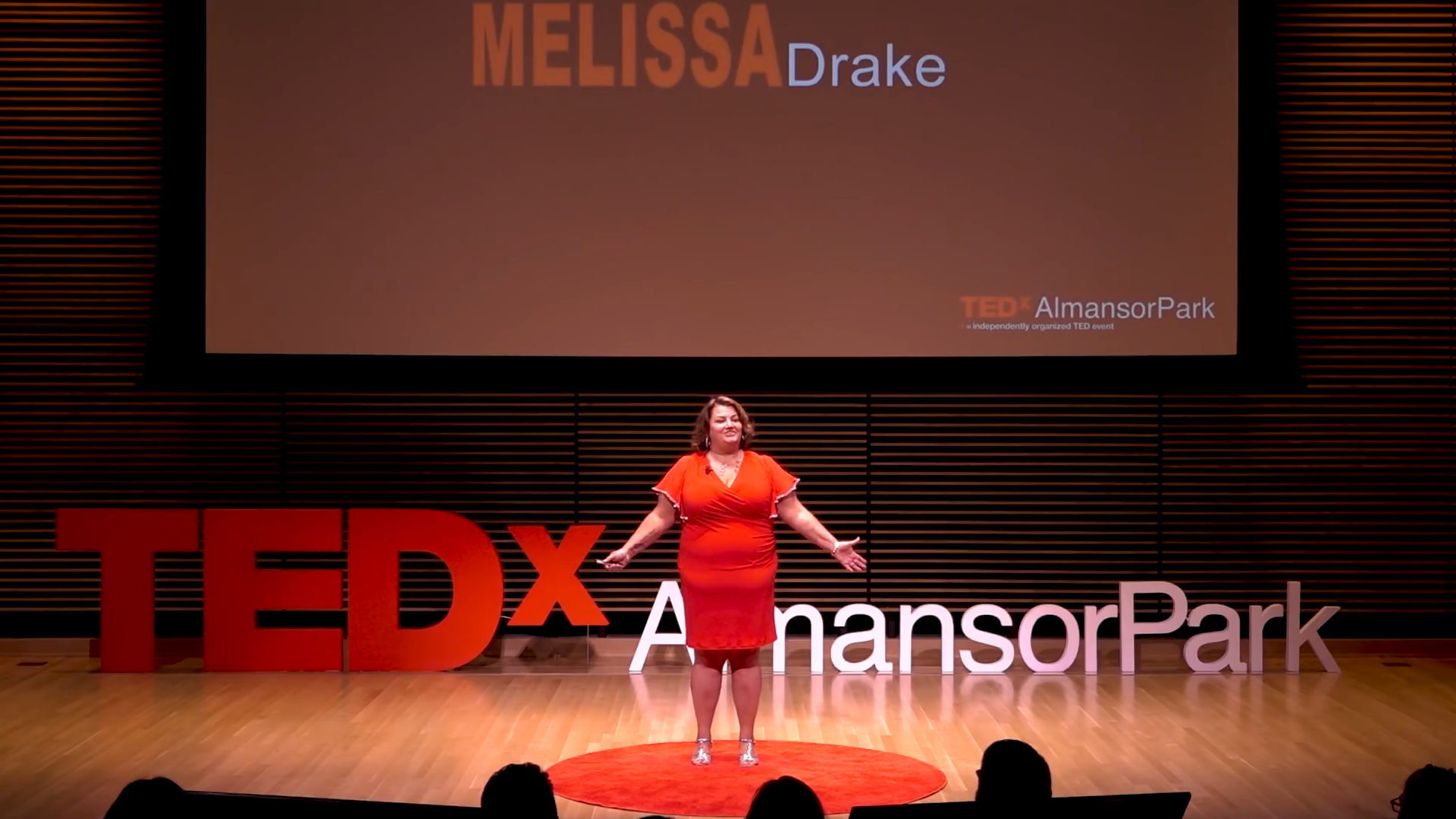
Melissa Drake
I don't believe good teams need to become more alike.
“The most interesting work is rarely about fixing what's broken. It's about understanding what's actually happening — and creating the conditions for people to contribute more fully.”
Strategic Advisor
Confidential counsel during complex inflection points.
Developmental Partner
Helping people see what is present, explore what fits, and develop what becomes possible.
Facilitator
Guiding high-stakes offsites and alignment intensives.
What becomes possible together.
Direct reflections from CEOs, published authors, leadership directors, and individuals who have partnered with Melissa across complex systems, high-stakes transitions, and original bodies of work.
Tangible, Measurable Results & Happy Clients
“Melissa has done a phenomenal job as Partnership Director for The Good Men Project. She works tirelessly to understand our business model at a very deep level and take actions that get tangible, measurable results. Most importantly—she wants our clients to succeed and works closely with both them and me to make that happen. Our program is filled with happy clients getting real results, due in large part to Melissa’s leadership.”
Melissa is a 'Go To' Asset for Any Organization
“Melissa has an incredible ability to take your thoughts, your vision, and what your company is passionate about and bring it to life. She is dedicated to making sure you make the right decisions and the right moves. She has the ability to multitask and ensure everything is coordinated, on schedule, and moving forward even when it feels like it is not. Melissa is an asset any company should have on their list of ‘go-to’ partners.”
Transforms Those She Works With by Breathing Life into Their Projects
“Melissa is the kind of professional who brings her whole being to the table. Her partnership goes so much deeper than the status quo of transactional services—she brings legitimate heart to the client experience. She transforms those she works with by breathing life into their projects and instilling confidence. I trust Melissa to steward coaches on our platform as budding journalists and influencers. The combination of quality and confidence is priceless.”
Right-Brained Creativity, Left-Brained Organization & Heart-Centered Soulfulness
“Melissa once asked me what she should name her system and I jokingly said ‘Melissa’s Magic System.’ But as soon as those words left my lips, I realized they are no joke, because magic is exactly what Melissa creates. She has one of the most unique blends of right-brained creativity, left-brained organization, and heart-centered soulfulness that I’ve ever seen. She elevated my project incalculably.”
Strategic, Inclusive, and Comprehensive Project Leadership
“I have been a business associate of Melissa for over 15 years. During this time we have worked on numerous research and strategy projects. She has always proven herself to be a consummate professional with excellent planning and implementation skills. Her well-developed communication skills are key to ensuring all are informed. Melissa’s approach is strategic, inclusive, and comprehensive.”
Handled Everything Without Involving Us Needlessly in the Details
“From the beginning, working with Melissa felt easy. She handled everything that we needed her to without involving us needlessly in the details. She is insightful, generous, and deeply concerned with making sure our company receives the support we truly need. She listened carefully, took all aspects of our business into account, and delivered a multi-faceted strategy that built top-of-mind awareness and drove real business connections.”
Rapidly Connects with and Translates Client Vision
“At Bancs Wellness, our focus is on the integration of small businesses and creatives in the digital space. There have been few collaborators that could operate at this level, and at the top of that list is Melissa Drake. With her ability to rapidly connect with and understand the vision of her clients, Melissa has helped with everything from acquisition to product development, and has been instrumental in our collaborative results.”
Your Attention to Detail and Publication Log Made It Easy
“The Publications for Influence and Authority workshop helped our team immensely. Your attention to detail in publication research, submission tracking logs, and insight into what to publish and how to do it made it easy to get started sending out articles. Not only that, but we’re doing so with a stronger bio and links that all support our business—and we’re already getting published! You’re pure magic.”
Serious Client Inquiries Arriving Even 2+ Years Later
“Melissa’s ability to offer such a warm, clear view of my services has brought me numerous students and clients who may never have found me without her willingness to share authentic experiences in her own heartfelt words. I still get serious inquiries each week that mention her writing as the motivator—even 2+ years later! Promoting myself was never easy; Melissa did the hard part by describing the work with genuine credibility.”
Inquiries & Practical Understandings.
Clear answers about how we work, what to expect, and where to begin.
Mosaic Development helps people, organizations, and ideas work more fully with what is already present. We make visible what may be unseen, connect pieces that may have been operating separately, and explore what becomes possible when they are configured differently.
See what's missing. Develop what's possible.
Start with what's happening in your life, practice, work, or organization.